AI Little Girl: Meaning, Uses, Safety, and Responsible Image Creation
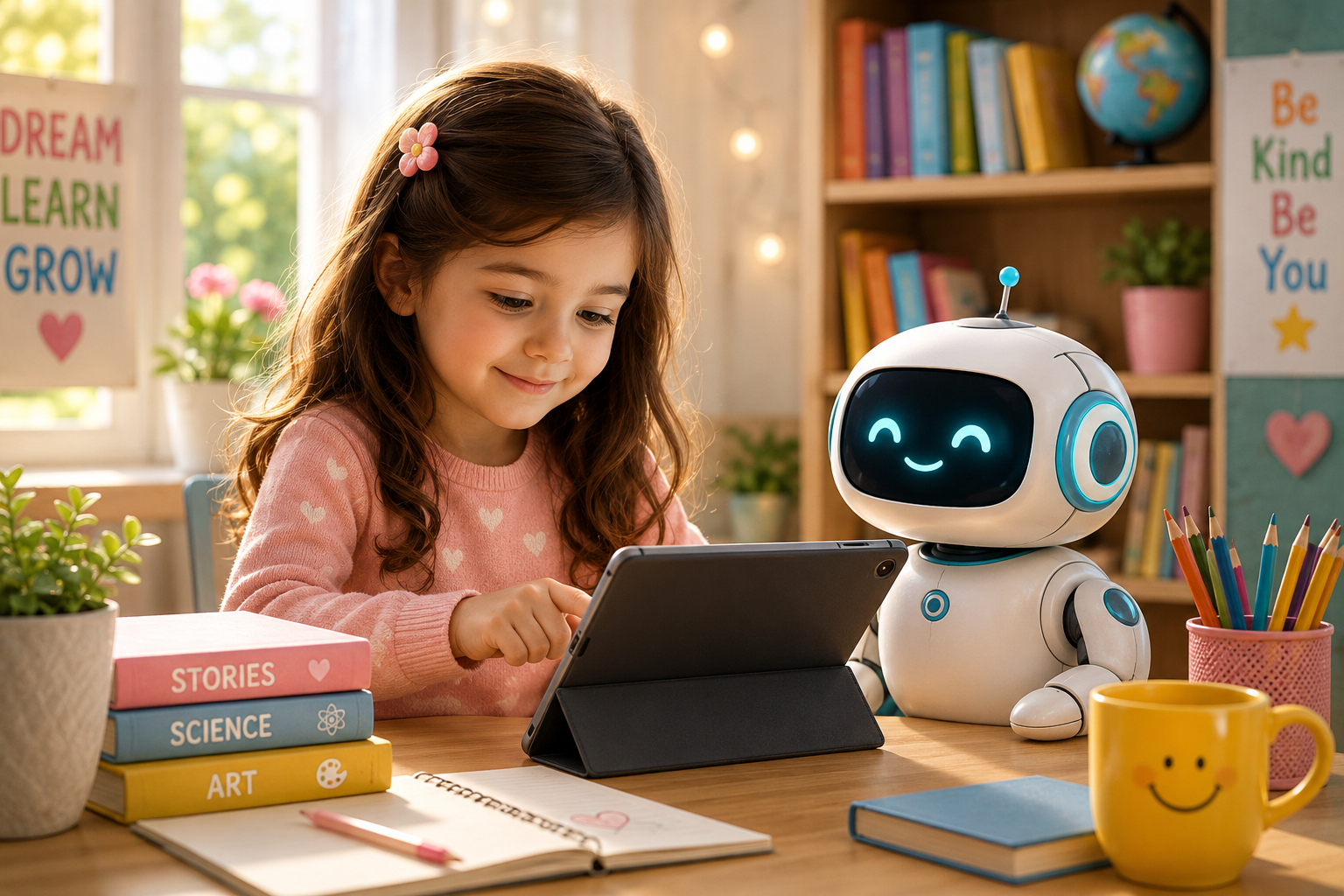
AI little girl usually refers to an artificial intelligence-generated image, character, illustration, or digital artwork of a young girl. These images are often used in storybooks, educational content, animation concepts, family-friendly designs, creative writing, game characters, and visual storytelling. However, because the subject represents a child, it must always be created and used carefully, respectfully, and ethically.
AI-generated child images should never be used in harmful, misleading, exploitative, or inappropriate ways. The safest approach is to create fictional, family-friendly, non-realistic, or illustrated characters that clearly serve a positive purpose such as education, storytelling, art, or design.
What Does AI Little Girl Mean?
The term can mean different things depending on the context. Some people use it when searching for AI-generated images of a young girl. Others may use it for character design, story illustrations, digital avatars, animation ideas, or creative concepts.
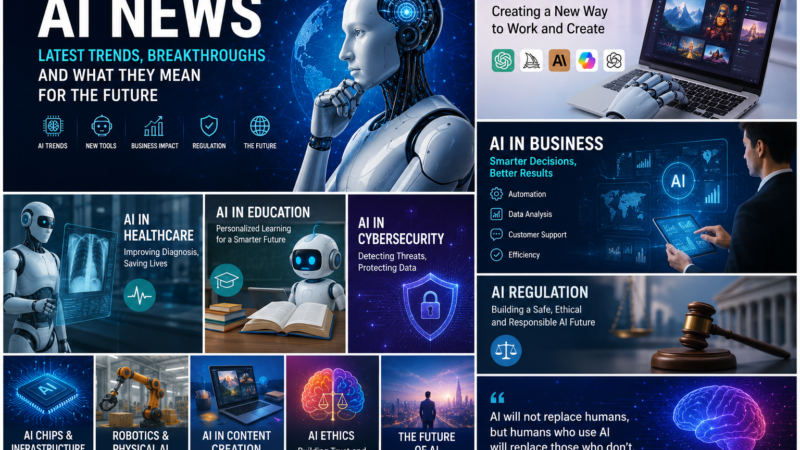
eaders who follow AI news can better understand how artificial intelligence is changing digital art, education, and online content.
In simple words, it usually refers to a child-like character made with artificial intelligence tools. The image may look realistic, cartoon-style, anime-inspired, 3D, watercolor, storybook-style, or futuristic depending on the prompt and tool used.
This type of AI image is common in creative fields, but it also needs extra responsibility because child-related visuals can easily raise privacy, safety, and ethical concerns.
Why People Search for AI-Generated Child Characters
People may search for AI-generated little girl images for many normal and creative reasons. A children’s book author may need a main character concept. A teacher may want friendly classroom visuals. A designer may need an illustration for a family-focused article. A game developer may want a child character for a safe story-based game.
Some common uses include:
| Use Case | Example Purpose | Best Style |
|---|---|---|
| Children’s books | Story character or cover design | Storybook, watercolor, cartoon |
| Education | Lesson visuals and worksheets | Friendly illustration |
| Animation | Character concept art | 3D or cartoon |
| Blog images | Family, parenting, or AI topics | Clean editorial style |
| Game design | Fictional character concept | Stylized digital art |
| Social media | Safe creative posts | Non-realistic illustration |
The most important rule is that the image should have a clear, appropriate, and respectful purpose.
Many AI tools now help creators generate illustrations, characters, and educational visuals from simple prompts
Safe and Ethical Use Is Very Important
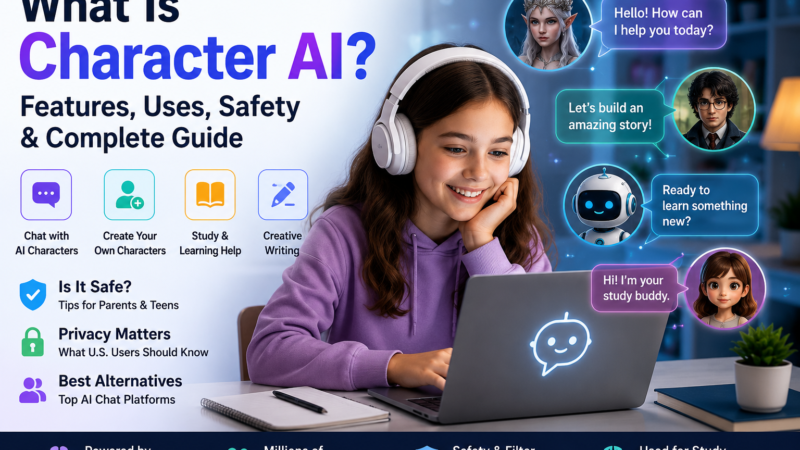
AI and children guidance child imagery requires more care than many other image types. Even when the image is fictional, it should be created in a safe and respectful way. The character should be fully clothed, age-appropriate, and shown in normal settings such as school, home, garden, library, playground, classroom, or storybook scenes .
Avoid prompts or visuals that make the character look unsafe, distressed, overly mature, romanticized, or inappropriate. Do not create images that copy a real child’s face without consent. Also avoid using real children’s photos as references unless there is clear permission and a valid reason.
For most websites, blogs, and creative projects, the best option is to use illustrated or stylized characters instead of photorealistic child images.
Best Styles for AI-Generated Little Girl Images
Different styles work for different purposes. A realistic style may look professional, but it can also create privacy and trust concerns. For child-related content, stylized visuals are often safer and more suitable.
1. Storybook Illustration
This style is soft, warm, and suitable for children’s content. It works well for bedtime stories, school projects, family blogs, and educational material.
2. Cartoon Character
Cartoon style is simple, friendly, and clearly fictional. It is a good choice for safe visuals because it does not look like a real child.
3. 3D Animated Style
A 3D character can work well for animation, games, and modern educational content. It looks polished while still being fictional.
4. Watercolor Art
Watercolor style gives a gentle and creative look. It is useful for story covers, emotional scenes, and soft family-friendly designs.
5. Futuristic AI Character
This style can show a child character learning with technology, robots, books, or digital screens. It works well for articles about AI in education or future learning.
Good Places to Use These Images
AI-generated child characters can be useful when the purpose is positive and clearly safe. For example, a parenting blog may use an illustrated child character to explain learning habits. An education website may use a cartoon girl reading a book. A technology article may show a child learning with an AI tutor.
Good use cases include:
- Children’s story illustrations
- Educational blog posts
- AI learning articles
- School project visuals
- Family-friendly website banners
- Animation concept art
- Game character ideas
- Classroom worksheets
- Creative storytelling visuals
- Social media posts about learning or creativity
The image should match the topic and should not be used only to attract clicks.
What to Avoid When Creating AI Child Images
There are some important things to avoid. Do not create child images that look inappropriate, unsafe, overly emotional in a harmful way, or misleadingly realistic. Do not use AI to recreate a real child’s face or identity without permission.
Avoid:
- Inappropriate clothing or poses
- Romantic or mature framing
- Real-child face copying
- Misleading fake news images
- Images showing danger without context
- Overly realistic child portraits for commercial manipulation
- Any content that could exploit or harm children
- Using a child image as clickbait
A safe AI image should look respectful, age-appropriate, and clearly connected to the content.
Responsible Prompt Ideas
Prompts should be simple, safe, and family-friendly. They should describe the setting, mood, art style, and purpose clearly.
Here are safe examples:
Prompt idea 1:
A friendly illustrated little girl reading a book in a bright classroom, storybook style, soft colors, educational theme, family-friendly.
Prompt idea 2:
A cheerful cartoon child character learning with a small friendly robot, classroom background, bright colors, safe and educational design.
Prompt idea 3:
A 3D animated young girl character holding a school notebook, smiling, modern learning environment, clean and child-friendly style.
Prompt idea 4:
A watercolor illustration of a little girl walking in a flower garden, peaceful mood, children’s book style, soft lighting.
Prompt idea 5:
A futuristic educational scene with a young girl using a tablet beside a friendly AI assistant, safe learning concept, bright and positive.
These prompt ideas are suitable for educational, creative, and family-friendly projects.
How AI Image Tools Create Child Characters
AI image tools create visuals based on text prompts. The user describes what they want, and the AI system generates an image based on patterns learned from large datasets. The result depends on the prompt, style, model, and safety settings.
For example, if the prompt says “storybook style,” the image may look like a children’s book illustration. If the prompt says “3D animated,” the character may look like an animated film character. If the prompt says “realistic,” the image may look like a real photo.
For child-related images, it is better to avoid highly realistic outputs unless there is a clear reason. Illustrated styles are usually safer, more flexible, and more appropriate for public content.
AI Little Girl Images in Education
generative AI in education is one of the safest and most useful areas for AI-generated child characters. A friendly illustrated character can help make learning material more engaging for children. Teachers, bloggers, and education creators can use these visuals for worksheets, reading activities, classroom posters, and online lessons.
For example, an AI-generated girl character can be shown reading, solving puzzles, learning science, painting, or asking questions. These visuals can make educational content more relatable and friendly.
However, the image should never replace real learning value. It should support the lesson, not distract from it.
AI Characters in Storytelling
Writers and illustrators can use AI-generated characters to plan stories. A fictional child character may become the main character of a children’s book, comic, animation, or short story.
The character can have a personality, clothing style, favorite color, hobby, and story role. For example, she may be a curious student, a young explorer, a kind friend, or a creative artist.
AI can help with visual ideas, but the story should still be original. Human creativity is important for emotions, character development, dialogue, and meaningful storytelling.
AI Images and Website SEO
For bloggers and website owners, AI-generated images can support SEO when used properly. A unique image can make the article more engaging and help users understand the topic better.
To use images correctly:
- Add descriptive alt text
- Compress the image for speed
- Use relevant file names
- Avoid heavy image sizes
- Use original visuals instead of copying from other sites
- Keep the image relevant to the article
- Add captions if helpful
For this topic, a good image alt text could be:
AI-generated little girl character reading a book in a classroom
This is descriptive, safe, and relevant.
Privacy Concerns With Realistic AI Child Images
online safety tips for families for concern with AI-generated child images is that realistic visuals may look like real people. This can create confusion, privacy concerns, or misuse.
If an image looks too realistic, viewers may think it is a real child. That is why it is better to use fictional or stylized designs for public content. It reduces the risk of misidentification and makes the image safer.
Website owners should also avoid using real children’s names, faces, or personal details with AI images. Privacy and consent should always come first.
How to Make AI Child Images More Trustworthy
A trustworthy AI-generated image should be clear, respectful, and relevant. It should not mislead the audience or pretend to show a real person if it is fictional.
You can make visuals more trustworthy by:
- Using illustrated or cartoon styles
- Avoiding fake real-world claims
- Adding captions when needed
- Keeping the image connected to the topic
- Avoiding emotional manipulation
- Making the scene positive and educational
- Using safe clothing and natural poses
Trust matters because AI-generated visuals can easily be misunderstood if not presented carefully.
AI Little Girl vs Real Child Photography
There is a clear difference between AI-generated characters and real child photography. Real child photos require consent, privacy protection, and careful use. AI-generated characters are fictional, but they still require ethical handling.
For blogs, educational posts, and creative designs, AI-generated illustrations can be safer than using real child photos. They avoid privacy issues and give creators more control over style and setting.
However, creators must still avoid harmful or inappropriate use. Fictional does not mean unlimited. Child-like characters should always be treated with care.
Best Practices for Website Owners
If you are publishing an article or using AI child images on a website, follow these best practices:
- Use the image only for a relevant topic
- Keep the visual safe and family-friendly
- Add proper alt text
- Avoid using real child identity
- Do not overuse AI images on one page
- Compress the image for fast loading
- Use internal links to related articles
- Add external references if discussing safety or AI ethics
- Keep the article informative, not just image-based
This helps the page look more useful and trustworthy.
Common Mistakes to Avoid
Many people make mistakes when creating AI images. They focus only on visual beauty and ignore safety, context, and user value.
Common mistakes include:
- Using a generic AI image with no relation to the article
- Creating overly realistic child portraits
- Forgetting image alt text
- Using too many images without explanation
- Publishing thin content around the image
- Not explaining the ethical side
- Using clickbait titles
- Copying competitors’ structure too closely
A better article should explain the meaning, uses, risks, safety rules, and practical tips clearly.
Future of AI-Generated Characters
AI-generated characters will likely become more common in education, storytelling, games, videos, advertising, and online content. As AI tools improve, creators will be able to design consistent characters across multiple images, scenes, and stories.
This can help small creators, teachers, writers, and businesses make professional visuals faster. But the future also needs strong safety standards. AI tools must protect children, prevent misuse, and encourage responsible creation.
The best future for AI-generated characters is one where creativity and safety work together.
Conclusion
AI little girl is a search term often connected with AI-generated child characters, digital illustrations, storybook visuals, and creative image ideas. These images can be useful for education, storytelling, blogs, animation, and design when they are created responsibly.
The safest approach is to use fictional, illustrated, age-appropriate, and family-friendly visuals. Avoid copying real children, avoid misleading realistic images, and never use child-like AI characters in harmful or inappropriate ways. When used with care, AI-generated child characters can support creative projects while keeping safety, privacy, and trust at the center.
FAQs
1. What does AI little girl mean?
It usually means an AI-generated image, illustration, or digital character of a young girl. It is often used for storytelling, education, design, and creative projects.
2. Is it safe to create AI-generated child images?
Yes, it can be safe if the image is fictional, age-appropriate, fully respectful, and used for a positive purpose such as education or storytelling.
3. What is the best style for AI-generated child characters?
Storybook, cartoon, watercolor, and 3D animated styles are usually better than realistic portraits because they are clearly fictional and safer for public use.
4. Can AI child images be used in blogs?
Yes, they can be used in blogs if they are relevant, safe, respectful, and properly optimized with alt text and compressed image size.
5. Should AI-generated child images look realistic?
For most public content, illustrated or stylized images are better. Realistic child images may create privacy or trust concerns.
6. What should I avoid in AI child image prompts?
Avoid inappropriate clothing, mature themes, real child face copying, unsafe scenes, misleading claims, and anything that could exploit or harm children.
7. Can AI-generated characters be used in children’s books?
Yes, AI characters can help with children’s book illustrations or concept art, but the story and final design should still be reviewed carefully for quality and originality.
8. How do I optimize an AI-generated image for SEO?
Use a descriptive file name, add clear alt text, compress the image, place it near relevant content, and make sure it supports the article topic.
9. Is an AI-generated child character a real person?
No, it is fictional unless it is based on a real child’s photo or identity. Avoid using real children’s likeness without consent.
10. Why is ethical use important?
Ethical use protects privacy, prevents misuse, builds trust, and ensures AI-generated child characters are used only in safe and respectful ways.