AI News: Latest Artificial Intelligence Trends and Updates
Quick Answer
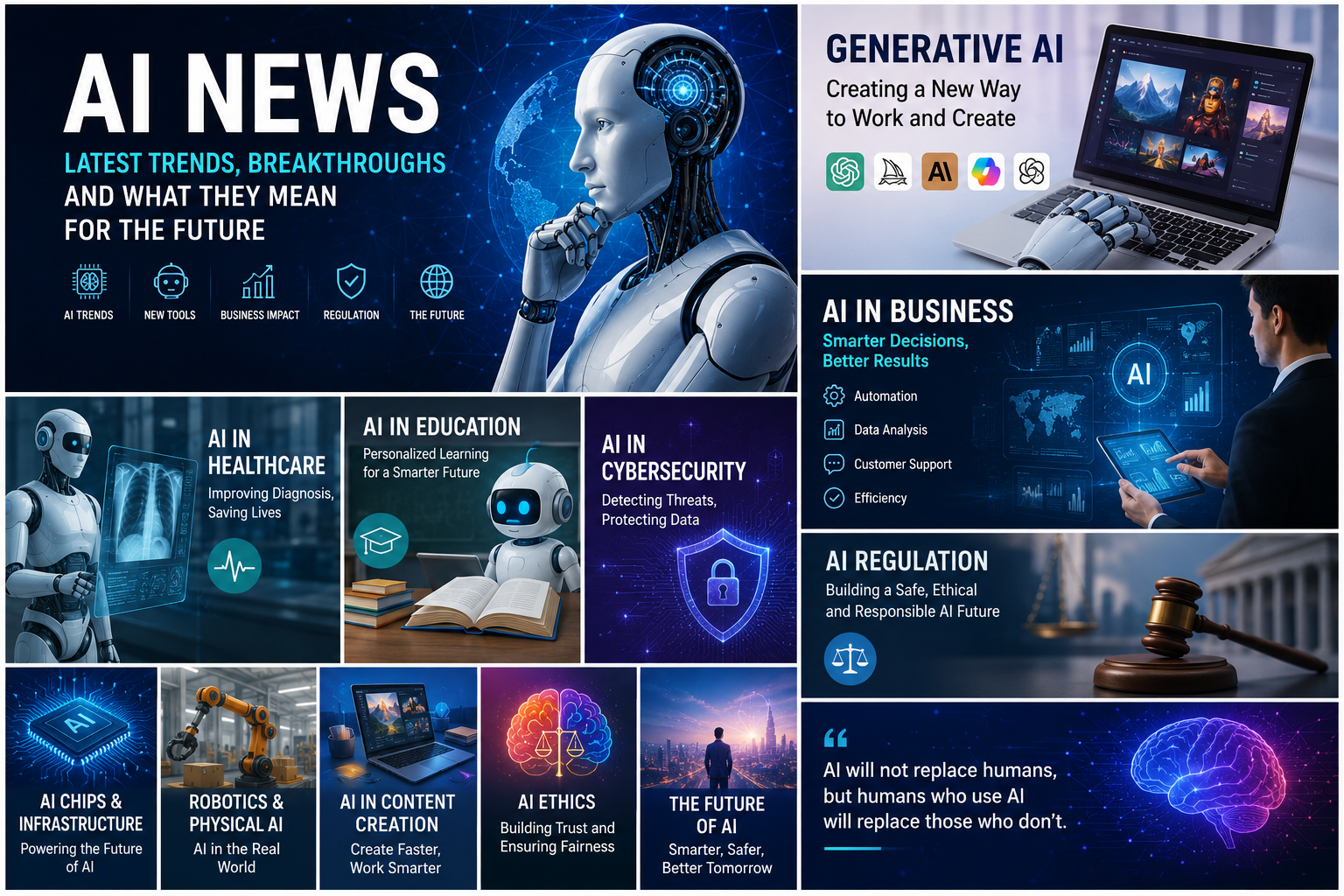
AI news is no longer limited to technology companies or research labs. It now affects business, education, healthcare, marketing, cybersecurity, jobs, search engines, creative industries, and daily life. From generative AI tools and automation platforms to AI regulation, data privacy, robotics, and workplace transformation, artificial intelligence is becoming one of the most important technology topics in the world.
The biggest reason people follow AI updates today is simple: AI is changing how companies work, how people learn, how content is created, how customers are served, and how decisions are made. Staying updated with artificial intelligence helps businesses, professionals, students, and everyday users understand what is coming next and how to prepare for it.
Why AI News Matters Today
Artificial intelligence has moved from being a future concept to becoming a daily business and consumer tool. A few years ago, AI was mostly discussed in research papers, advanced software systems, and enterprise technology circles. Today, it is inside writing tools, chatbots, design platforms, search engines, customer support systems, video editors, coding assistants, smartphones, cars, and workplace software.
This makes AI news important for almost every industry. A business owner wants to know how AI can reduce costs. A marketer wants to understand AI content tools. A student wants to use AI for learning. A developer wants to follow new AI models and APIs. A company leader wants to understand how AI affects productivity, hiring, and data security.
The speed of AI development is also very fast. New tools, models, features, and regulations appear regularly. A company that ignores these updates may fall behind competitors that use AI to work faster and smarter.
What Counts as AI News?
AI news covers a wide range of topics. It is not only about robots or chatbots. It includes updates about machine learning, generative AI, natural language processing, computer vision, automation, AI chips, AI safety, regulations, business adoption, and new AI-powered products.
For deeper AI research updates, readers can follow official research blogs that cover model development, machine learning, and applied AI progress.
It also includes how AI affects real people. For example, AI may change how teachers prepare lessons, how doctors review medical data, how businesses respond to customers, how writers create drafts, and how developers build software.
Here is a simple breakdown:
| AI Area | What It Covers | Why It Matters |
|---|---|---|
| Generative AI | Text, image, audio, video, and code generation | Changes content creation and productivity |
| AI Business Tools | Automation, customer support, analytics | Helps companies save time and improve output |
| AI Regulation | Laws, safety rules, privacy policies | Affects how AI can be used responsibly |
| AI in Healthcare | Diagnosis support, research, patient data | Improves medical workflows and research |
| AI in Education | Tutoring, lesson planning, study tools | Changes how students and teachers learn |
| AI Chips | Hardware built for AI workloads | Supports faster and more powerful AI systems |
| Robotics | Machines using AI for real-world tasks | Impacts factories, logistics, and service industries |
| AI Ethics | Bias, privacy, transparency, safety | Builds trust and reduces harmful use |
The Rise of Generative AI
Generative AI is one of the biggest reasons artificial intelligence has become popular worldwide. It allows users to generate text, images, videos, music, presentations, code, and ideas using simple prompts. This has changed how people create content and complete digital tasks.
Readers who want to follow the latest generative AI updates can also check official announcements from OpenAI.
Writers use generative AI for outlines, drafts, headlines, summaries, and editing. Designers use it for image concepts, ad creatives, mockups, and visual ideas. Developers use AI coding assistants to write, review, and debug code. Businesses use AI to create emails, reports, product descriptions, customer replies, and social media content.
The main benefit of generative AI is speed. Tasks that used to take hours can now be completed in minutes. However, users still need human judgment. AI can make mistakes, misunderstand context, or create generic results. That is why the best use of generative AI is not to replace human thinking, but to support it.
AI Tools Are Changing Workflows
AI tools are becoming part of everyday work. Many platforms now include built-in AI features that help users write faster, search better, summarize documents, analyze data, create designs, and automate repetitive tasks.
Even productivity tools are changing quickly, and recent Google Sheets updates show how AI features are becoming part of daily work.
For businesses, this is a major shift. Customer support teams can use AI chatbots to answer common questions. Sales teams can use AI to manage leads and write follow-up emails. Marketing teams can use AI to plan campaigns, create content ideas, and analyze audience behavior. HR teams can use AI to filter applications and prepare employee documents.
The biggest advantage is productivity. AI can handle routine work so humans can focus on strategy, creativity, decision-making, and relationship building.
Many major technology companies are also sharing regular Google AI updates as AI tools become part of daily work.
However, businesses must use AI carefully. They need to check accuracy, protect customer data, avoid over-automation, and make sure AI-generated content matches their brand voice.
AI in Business and Enterprise Growth
Businesses are one of the biggest drivers of AI adoption. Companies are using AI to improve efficiency, reduce manual work, understand customers, and make better decisions.
In eCommerce, AI can recommend products, personalize shopping experiences, and predict customer behavior. In finance, it can detect unusual transactions, support risk analysis, and improve reporting. In logistics, AI can help with route planning, demand forecasting, and inventory management. In real estate, it can support property recommendations, lead scoring, and market research.
Enterprise AI is also growing because companies have large amounts of data. AI can analyze that data faster than traditional methods and help teams find patterns. This can improve planning, customer service, and business performance.
Still, AI is not a magic solution. A company needs clean data, clear goals, trained employees, and proper policies. Without these, AI tools may create confusion instead of value.
AI and Search Engines
Search is also changing because of AI. Traditional search engines show lists of links, while AI-powered search experiences can summarize information, answer questions, compare options, and guide users more directly.
This shift matters for website owners, bloggers, publishers, and SEO professionals. Content must now be useful, clear, trustworthy, and well-structured. Generic content may not perform well if it does not provide real value.
For SEO, AI creates both opportunities and challenges. It can help with keyword research, outlines, topic clusters, content briefs, and optimization. But publishing low-quality AI-generated content without human editing can harm trust and performance.
Websites that want long-term results should focus on helpful content, original insights, clear structure, internal linking, expert review, updated information, and user intent.
AI in Healthcare
Healthcare is one of the most important areas where artificial intelligence can create real impact. AI can help doctors, researchers, hospitals, and healthcare companies analyze information faster and support better decisions.
AI systems can assist with medical imaging, patient data analysis, drug discovery, appointment management, and administrative tasks. For example, AI can help identify patterns in scans, summarize patient records, and support research teams in reviewing large datasets.
This does not mean AI replaces doctors. Medical decisions require human expertise, responsibility, and patient understanding. AI is most useful as a support system that helps professionals save time and reduce workload.
Healthcare AI also requires strong safety, privacy, and accuracy standards. Patient data is sensitive, so AI tools must be used with strict security and ethical guidelines.
AI in Education
Education is another field being reshaped by AI. Students can use AI tools to understand topics, summarize lessons, generate study plans, practice writing, and get explanations in simple language. Teachers can use AI to create lesson plans, quizzes, worksheets, and feedback.
AI tutoring tools can make learning more personal. Instead of giving the same explanation to every student, AI can adjust responses based on the learner’s level. This can help students who need extra support or want to learn at their own pace.
However, AI also creates concerns in education. Students may use it to complete assignments without learning. Teachers may struggle to identify original work. Schools need clear rules for responsible AI use.
The best approach is to treat AI as a learning assistant, not a shortcut. Students should use it to understand, practice, and improve, not to avoid thinking.
AI in Marketing and Content Creation
Marketing has changed quickly because of AI. Brands now use AI for content ideas, social media captions, email campaigns, ad copy, customer segmentation, analytics, and creative testing.
AI is also changing how every digital marketing agency plans campaigns, writes content, and studies audience behavior.
AI can help marketers work faster, but it cannot fully replace brand understanding. A good campaign still needs emotional connection, customer insight, positioning, and creativity. AI may generate words, but humans decide the message.
Content teams can use AI to create outlines, improve headlines, find content gaps, and repurpose long content into short posts. SEO teams can use AI to cluster topics, review search intent, and optimize content structure.
The risk is that too many brands may publish similar AI-generated content. To stand out, marketers need original examples, real experience, strong opinions, case studies, data, and human editing.
AI in Cybersecurity
Cybersecurity is becoming more important as AI tools grow. AI can help security teams detect threats, monitor unusual activity, identify phishing attempts, and respond to attacks faster.
As AI changes online security, many readers are also exploring cybersecurity salary trends and career opportunities.
At the same time, attackers can also use AI. They may create more convincing phishing emails, fake voices, fake images, or automated attacks. This creates a new challenge for companies and users.
Security teams now need AI-powered defense systems and stronger awareness training. Employees should be careful with suspicious links, unknown attachments, fake login pages, and messages that ask for sensitive information.
AI can improve cybersecurity, but it also makes digital threats more advanced. That is why businesses must update security policies, protect data, and train employees regularly.
AI Regulation and Safety
As AI becomes more powerful, governments and organizations are focusing more on regulation. The goal is to make AI safer, more transparent, and more responsible.
AI regulation may cover privacy, data usage, copyright, bias, transparency, safety testing, and accountability. Companies using AI may need to explain how their systems work, how data is handled, and what steps are taken to reduce risk.
This is important because AI can affect real decisions. It may be used in hiring, finance, education, healthcare, security, and public services. If AI systems are biased or inaccurate, they can create serious problems.
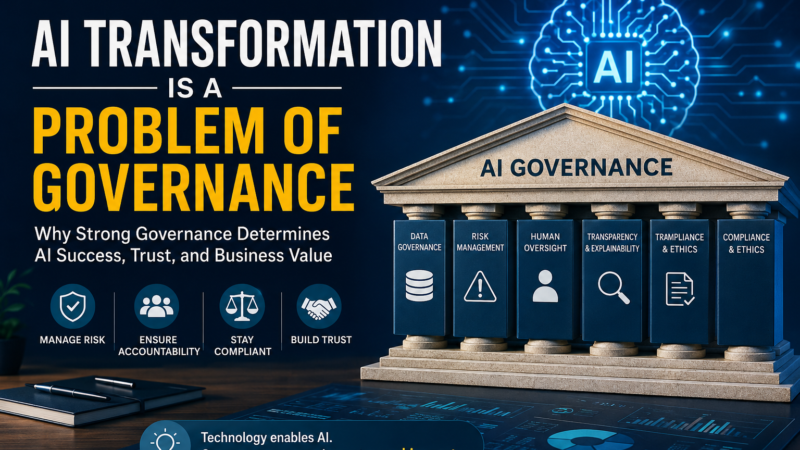
Responsible AI means using artificial intelligence in a way that is fair, secure, explainable, and human-controlled. Businesses that follow responsible AI practices can build more trust with customers and users.
AI and Jobs
One of the biggest questions around AI is how it will affect jobs. Some people worry that AI will replace workers, while others believe it will create new opportunities.
The reality is more balanced. AI may automate some repetitive tasks, but it will also create demand for new skills. Jobs involving data, automation, AI strategy, prompt design, AI ethics, cybersecurity, machine learning, and AI product management may grow.
Many existing roles will also change. Writers may use AI for research and drafts. Designers may use AI for concepts. Developers may use AI for code suggestions. Customer support teams may use AI to handle common questions.
The workers who adapt will have an advantage. Learning how to use AI tools effectively may become an important professional skill.
AI Chips and Infrastructure
Behind every powerful AI system is strong computing infrastructure. AI models require large amounts of processing power, data storage, and energy. This is why AI chips, cloud computing, and data centers have become important parts of the AI industry.
AI computing infrastructure is also becoming important because advanced models need powerful hardware, cloud systems, and high-performance chips.
AI chips are designed to handle machine learning workloads faster and more efficiently. They help train and run large AI models. As AI demand grows, companies need better hardware to support faster performance and lower costs.
Infrastructure is not always visible to everyday users, but it is one of the most important parts of AI progress. Without powerful hardware and reliable cloud systems, modern AI tools would not work at the scale people expect.
Robotics and Physical AI
AI is not only digital. It is also moving into the physical world through robotics. AI-powered robots can be used in factories, warehouses, hospitals, restaurants, farms, and delivery services.
Robots can use computer vision, sensors, and machine learning to understand their environment and complete tasks. In manufacturing, they can support assembly and quality checks. In logistics, they can help move products. In healthcare, they may assist with support tasks.
Physical AI is still developing, but it has strong potential. As robots become smarter, safer, and more affordable, they may become more common in workplaces and public spaces.
AI Ethics and Trust
AI ethics is one of the most important topics in artificial intelligence. Users want to know whether AI systems are fair, safe, private, and reliable.
Common ethical concerns include bias, misinformation, copyright, privacy, deepfakes, job disruption, and lack of transparency. If these issues are ignored, AI can damage trust.
Businesses should create clear AI policies. They should tell users when AI is being used, protect personal data, check outputs for accuracy, and avoid using AI in harmful or misleading ways.
Trust will become a major factor in AI adoption. People are more likely to use AI tools when they understand how they work and feel confident that their data is safe.
How to Follow AI News Smartly
Because the AI industry moves quickly, it is easy to feel overwhelmed. New tools, updates, predictions, and opinions appear every day. The best way to follow AI updates is to focus on topics that matter to your goals.
Business owners should follow AI automation, customer service tools, marketing AI, and productivity platforms. Developers should follow AI models, APIs, coding tools, and infrastructure. Students should follow learning tools and education updates. Marketers should follow content tools, search changes, and ad technology.
It is also important to check information carefully. Not every AI trend becomes useful. Some tools are overhyped, while others quietly become very valuable. Readers should focus on practical impact, not just headlines.
The Future of AI
The future of AI will likely be shaped by smarter models, better tools, stronger regulation, improved safety, and wider business adoption. AI will become more personal, more integrated into software, and more useful for everyday tasks.
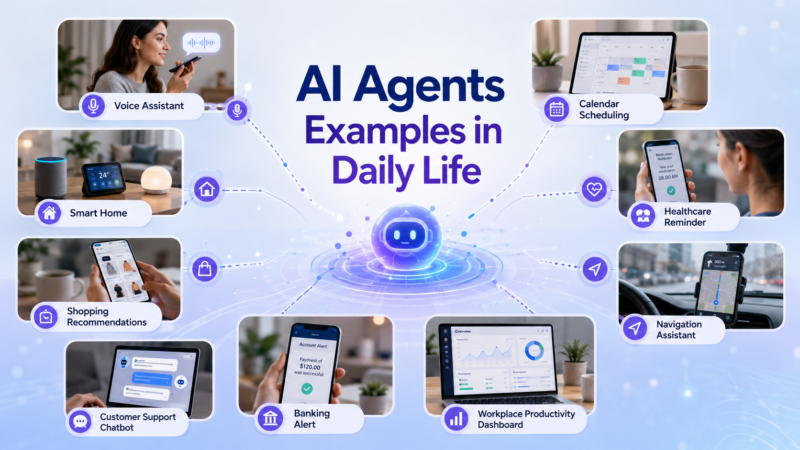
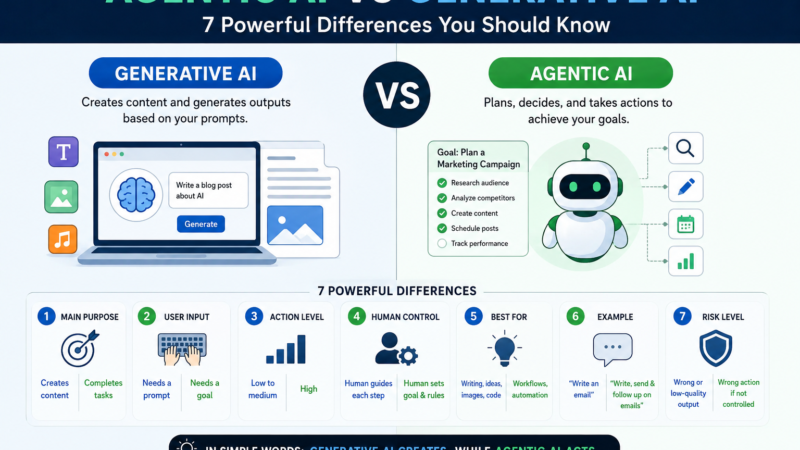
People may use AI assistants for planning, writing, learning, shopping, coding, designing, and managing work. Businesses may use AI agents to complete workflows, analyze data, respond to customers, and support decision-making.
However, the future of AI also depends on responsibility. The technology must be used in ways that protect privacy, reduce bias, support human creativity, and improve productivity without creating unnecessary harm.
AI will continue to grow, but the most successful users will be those who combine AI speed with human judgment.
Final Thoughts
AI news is important because artificial intelligence is changing how people work, learn, search, create, shop, communicate, and make decisions. From generative AI and business automation to healthcare, education, cybersecurity, regulation, and robotics, AI is becoming a major part of modern life.
For businesses, staying updated can create competitive advantage. For professionals, it can help build future-ready skills. For students, it can improve learning. For everyday users, it can make technology easier and more useful.
The best way to approach AI is not with fear or blind excitement, but with understanding. AI is a powerful tool, and the people who use it wisely will be better prepared for the future.
FAQs
1. What is AI news?
AI news includes updates about artificial intelligence tools, machine learning, generative AI, business adoption, regulations, robotics, AI safety, and how AI affects different industries.
2. Why is artificial intelligence important?
Artificial intelligence is important because it helps automate tasks, analyze data, improve productivity, support decision-making, and create new tools for businesses and individuals.
3. How is AI changing business?
AI is helping businesses improve customer service, automate routine work, analyze data, create content, manage operations, and make faster decisions.
4. Can AI replace human jobs?
AI may automate some repetitive tasks, but it also creates demand for new skills and roles. Many jobs will change rather than disappear completely.
5. Is AI safe to use?
AI can be safe when used responsibly. Users should protect private data, check AI outputs, follow company policies, and avoid relying on AI for sensitive decisions without human review.
6. How can beginners start learning about AI?
Beginners can start by learning basic AI concepts, testing simple AI tools, reading beginner-friendly guides, following trusted updates, and understanding how AI is used in daily life.
7. What is generative AI?
Generative AI is a type of artificial intelligence that can create text, images, videos, music, code, and other content based on user prompts.
8. Why do companies use AI tools?
Companies use AI tools to save time, reduce manual work, improve customer experience, analyze information, create content faster, and support business growth.
9. What are the risks of AI?
Common risks include misinformation, bias, privacy issues, copyright concerns, overdependence, job disruption, and misuse of AI-generated content.
10. What is the future of AI?
The future of AI will include smarter assistants, better automation, improved regulation, more advanced robotics, stronger business tools, and deeper integration into everyday software.