Business Growth Tips for Beginners & Small Owners
online business ideas for beginners, but growing it is a different challenge. Many beginners start with excitement, but after some time, they feel confused about what to do next. They may have a product, service, website, or social media page, but they do not know how to attract more customers, improve sales, or build long-term trust.
This is why business growth tips for beginners are important. Growth does not always mean spending more money or hiring a big team. In many cases, business growth starts with simple improvements, such as understanding customers better, improving service quality, organizing daily work, using the right tools, and staying consistent with marketing.
A small business can grow step by step when the owner focuses on clear goals, customer value, smart promotion, and better systems. In this guide, we will discuss practical tips that beginners and small business owners can use to grow with more confidence.
Why Business Growth Takes Time
Many people expect fast results when they start a business. They think a few posts, one website, or a small ad campaign will immediately bring customers. Sometimes that can happen, but most businesses grow slowly through trust, consistency, learning, and improvement.
Business growth takes time because customers need confidence before they buy. They want to know if your product or service is useful, reliable, and worth their money. This trust is built through quality work, helpful communication, reviews, clear branding, and repeated visibility write a business plan.
Beginners should not feel discouraged if results are slow at first. The early stage of business is mostly about testing, learning, and improving. Every customer, message, sale, mistake, and feedback point can help you make better decisions.
1. Understand Your Target Customers
One of the most important steps in business growth is understanding your target customers. If you try to sell to everyone, your message becomes weak. A clear audience helps you create better offers, content, pricing, and marketing.
Start by asking simple questions:
- Who needs my product or service?
- What problem do they want to solve?
- What is their budget?
- Where do they spend time online?
- What questions do they ask before buying?
- Why should they choose my business?
For example, a cleaning service may target busy homeowners, offices, or move-out tenants. A digital product seller may target students, freelancers, or small business owners. A freelance writer may target agencies, blogs, or ecommerce stores.
When you know your audience, your marketing becomes easier. You can speak directly to their needs instead of using general messages.
2. Create a Clear Offer
A clear offer tells people exactly what you provide and why it matters. Many beginners make the mistake of explaining too much without clearly showing the benefit.
Instead of saying, “I provide business services,” be specific. Say, “I help small businesses create social media content every week” or “I design professional resumes for job seekers.” A clear offer makes it easier for customers to understand your value small business ideas with low investment.
Your offer should answer three basic questions:
- What do you provide?
- Who is it for?
- What result does it help them achieve?
A strong offer does not need complicated words. It should be simple, direct, and easy to understand.
3. Improve Customer Service
Customer service can help a small business grow faster than expensive marketing. When customers feel respected and supported, they are more likely to buy again and recommend your business to others.
Good customer service includes fast replies, honest communication, clear pricing, proper delivery, and polite behavior. Even if there is a problem, how you handle it matters.
For beginners, customer service can become a strong advantage. Large companies may have more budget, but small businesses can often provide more personal attention.
Simple actions like sending order updates, answering questions clearly, and asking for feedback can improve customer trust.
4. Build an Online Presence
In today’s market, many customers search online before choosing a business. They may check your website, social media page, reviews, or content before contacting you. If your online presence looks incomplete or inactive, people may not trust your business.
A basic online presence can include:
- A simple website
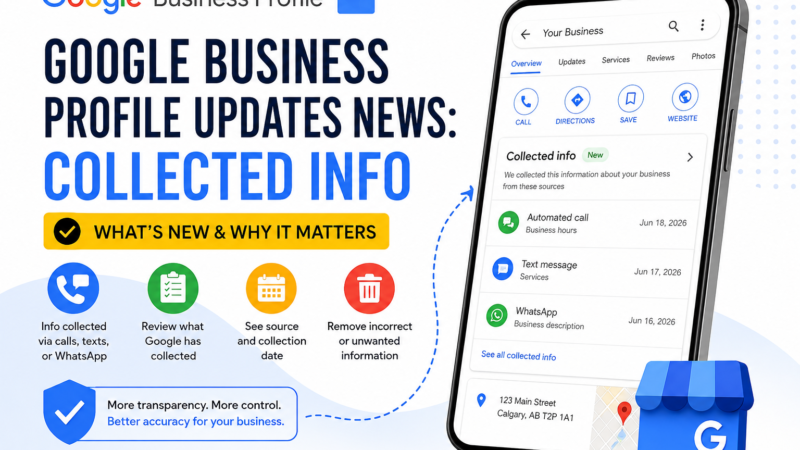
- A Google Business Profile for local businesses
- Social media pages
- Helpful blog content
- Customer reviews
- Clear contact information
You do not need to be active on every platform. Choose the platforms where your customers are most likely to be. A local service business may need Google and Facebook. A visual product business may do well on Instagram or Pinterest. A professional service business may benefit from LinkedIn.
The goal is to make your business easy to find and easy to understand.
5. Use Content Marketing
Content marketing means creating helpful content that attracts and educates your audience. This can include blog posts, social media posts, videos, guides, FAQs, newsletters, and tutorials.
Instead of only saying “buy from us,” content marketing helps you answer customer questions. This builds trust and brings people closer to your business.
For example:
- A fitness coach can share beginner workout tips.
- A cleaning company can share home cleaning checklists.
- A business blog can share small business ideas.
- A software company can explain how tools solve common problems.
Content marketing is useful because it works over time. A helpful article or video can keep bringing visitors even after it is published.
Beginners should focus on simple, practical topics. Answer the questions your customers already ask.
6. Use the Right Business Tools
Business tools can help you save time, reduce mistakes, and stay organized. Many beginners try to manage everything manually, but this can become stressful as the business grows.
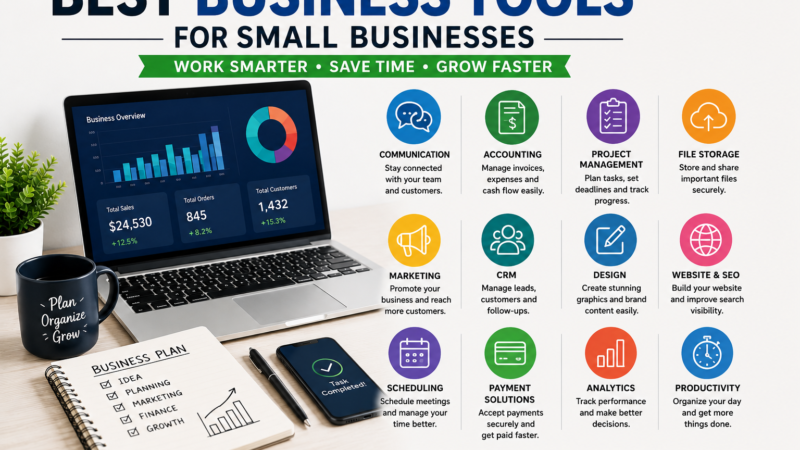
You can use tools for communication, task management, accounting, design, file storage, scheduling, customer follow-ups, and analytics. The right tools do not replace hard work, but they make your work easier.
Start with basic tools first. You may need one tool for tasks, one for files, one for communication, and one for money tracking. As your business grows, you can add more advanced tools.
Using simple systems early can prevent confusion later.
7. Track Your Numbers
Many beginners focus only on sales, but business growth needs more than that. You should track important numbers so you can understand what is working and what needs improvement.
Useful numbers to track include:
- Monthly sales
- Expenses
- Profit
- Website visitors
- Social media reach
- Customer inquiries
- Conversion rate
- Repeat customers
- Best-selling products or services
Tracking numbers helps you avoid guessing. For example, if many people visit your website but few contact you, your page may need better content or a clearer call to action. If people ask about prices but do not buy, your offer or trust signals may need improvement.
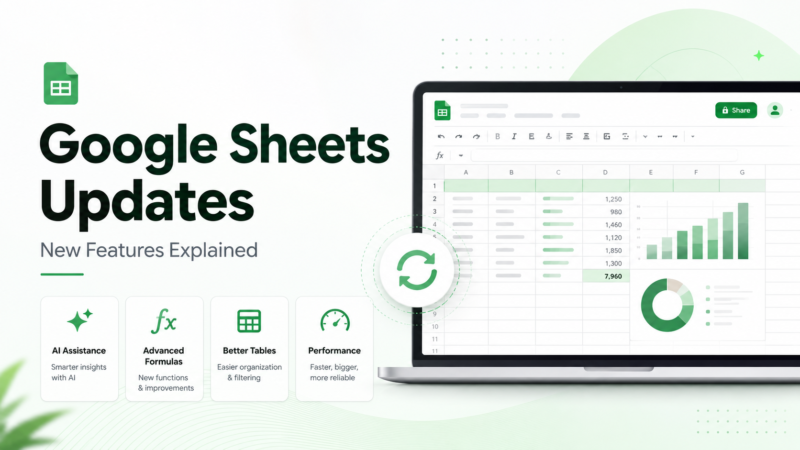
You do not need complicated reports in the beginning. A simple spreadsheet can help you understand your business better.
8. Ask for Customer Feedback
Customer feedback is one of the easiest ways to improve a business. Your customers can tell you what they liked, what confused them, and what they want next.
Feedback can help you improve your product, service, pricing, delivery, website, and communication. It can also give you ideas for new offers.
You can ask simple questions:
- Was the service helpful?
- What can we improve?
- Would you recommend us?
- Was anything unclear?
- What else would you like us to offer?
Do not take feedback personally. Use it as business information. Even negative feedback can help you fix problems and become better.
9. Focus on Repeat Customers
Getting a new customer is important, but repeat customers can be even more valuable. If someone already trusts your business, it is easier to sell to them again.
You can encourage repeat customers by offering good service, follow-up messages, loyalty offers, helpful updates, and consistent quality.
For example, a cleaning business can offer monthly cleaning packages. A designer can offer monthly social media design support. A tutor can offer ongoing learning sessions. An ecommerce store can send product recommendations or discounts.
A business grows faster when customers come back again and again.
10. Improve Your Branding
Branding is not only about a logo. It is about how people remember your business. Your brand includes your name, design, tone, message, customer experience, and overall trust.
A professional brand helps customers take your business seriously. Even a small business can look trustworthy with clear branding.
Focus on these basics:
- Use consistent colors and fonts.
- Keep your message simple.
- Use clear images.
- Write professional descriptions.
- Keep your website and social media updated.
- Show reviews or testimonials.
Good branding does not need to be expensive. It needs to be clean, consistent, and clear.
11. Learn Basic Marketing
Marketing is necessary for business growth. Even if your product or service is excellent, people need to know it exists.
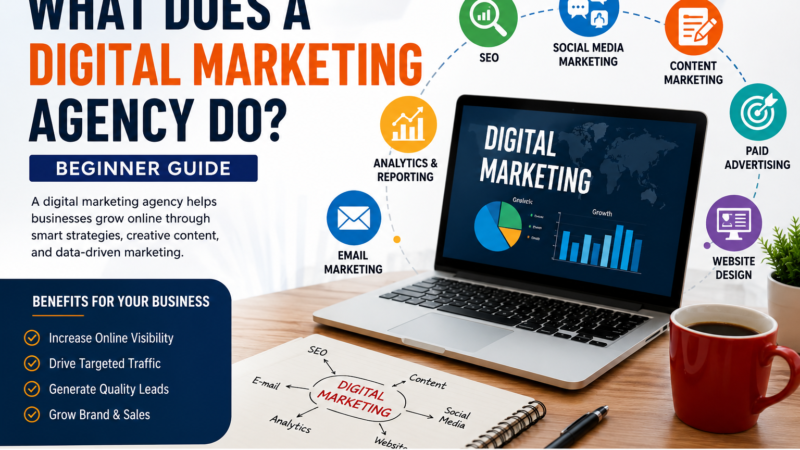
Beginners should learn basic marketing skills such as content writing, social media posting, keyword research, email marketing, customer psychology, and simple advertising.
You do not need to master everything at once. Start with one or two marketing channels and improve slowly.
For example, if your business is online, you can start with blog content and social media. If your business is local, you can focus on local SEO, Google Business Profile, and customer reviews.
Marketing works best when it is consistent. Posting once and disappearing for weeks usually does not build trust Google Skillshop.
12. Build Partnerships
Partnerships can help small businesses reach new audiences. You can work with other businesses, freelancers, creators, local communities, or industry professionals.
For example, a photographer can partner with event planners. A web designer can partner with content writers. A cleaning service can partner with property managers. A business blog can collaborate with tool providers or experts.
Partnerships should be useful for both sides. The goal is to share value, referrals, audience, or services.
Beginners can start with simple networking. Talk to people in related industries and look for ways to help each other.
13. Improve Your Website
Your website can be one of your strongest business assets. It helps people learn about your business, understand your services, contact you, and trust your brand.
A beginner-friendly website should have:
- Clear homepage
- Simple service or product pages
- About page
- Contact page
- Fast loading speed
- Mobile-friendly design
- Clear call-to-action buttons
- Helpful blog content
- Trust signals such as reviews or examples
If people visit your website but do not take action, check whether your message is clear. Visitors should quickly understand what you offer, who it is for, and how to contact you.
14. Use Email Marketing
Email marketing is useful because it helps you stay connected with people who are interested in your business. Social media platforms can change their rules, but an email list is more direct.
You can use email to share updates, offers, helpful tips, new blog posts, product launches, or service reminders.
Beginners do not need a complex email system. Start by collecting emails from interested users with permission. Then send helpful and relevant messages Mailchimp email marketing guide.
The key is not to spam people. Send content that has value and matches their interest.
15. Keep Learning and Improving
Business growth requires continuous learning. Markets change, customer needs change, tools change, and competition changes. A business owner who keeps learning has a better chance of growing.
You can learn through blogs, courses, videos, books, podcasts, customer feedback, and real experience.
But learning alone is not enough. You also need to apply what you learn. Test new ideas, review results, and improve your process.
Small consistent improvements can create big results over time.
Common Business Growth Mistakes to Avoid
Many beginners try to grow too fast without building a stable base. They spend money on ads before fixing their website, offer, pricing, or customer service. This can waste money.
Another mistake is ignoring existing customers while chasing new ones. Your current customers can give reviews, referrals, and repeat sales.
Some beginners also copy competitors without understanding their own audience. It is good to study others, but your business should have its own clear value.
Avoid changing direction too often. Business growth needs patience and consistency.
Simple Growth Plan for Beginners
If you are confused about where to start, follow this simple plan:
First, define your target customer. Then create a clear offer that solves a real problem. Next, build a basic online presence with a website or social media page. After that, publish helpful content and promote your offer consistently.
Track your results every month. Check what brings inquiries, what brings sales, and what needs improvement. Ask customers for feedback and improve your service based on real experience.
This simple process can help you grow step by step without feeling overwhelmed.
Final Thoughts
Growing a business does not always require a huge budget. Many small businesses grow by improving customer service, using better tools, creating helpful content, understanding their audience, and staying consistent.
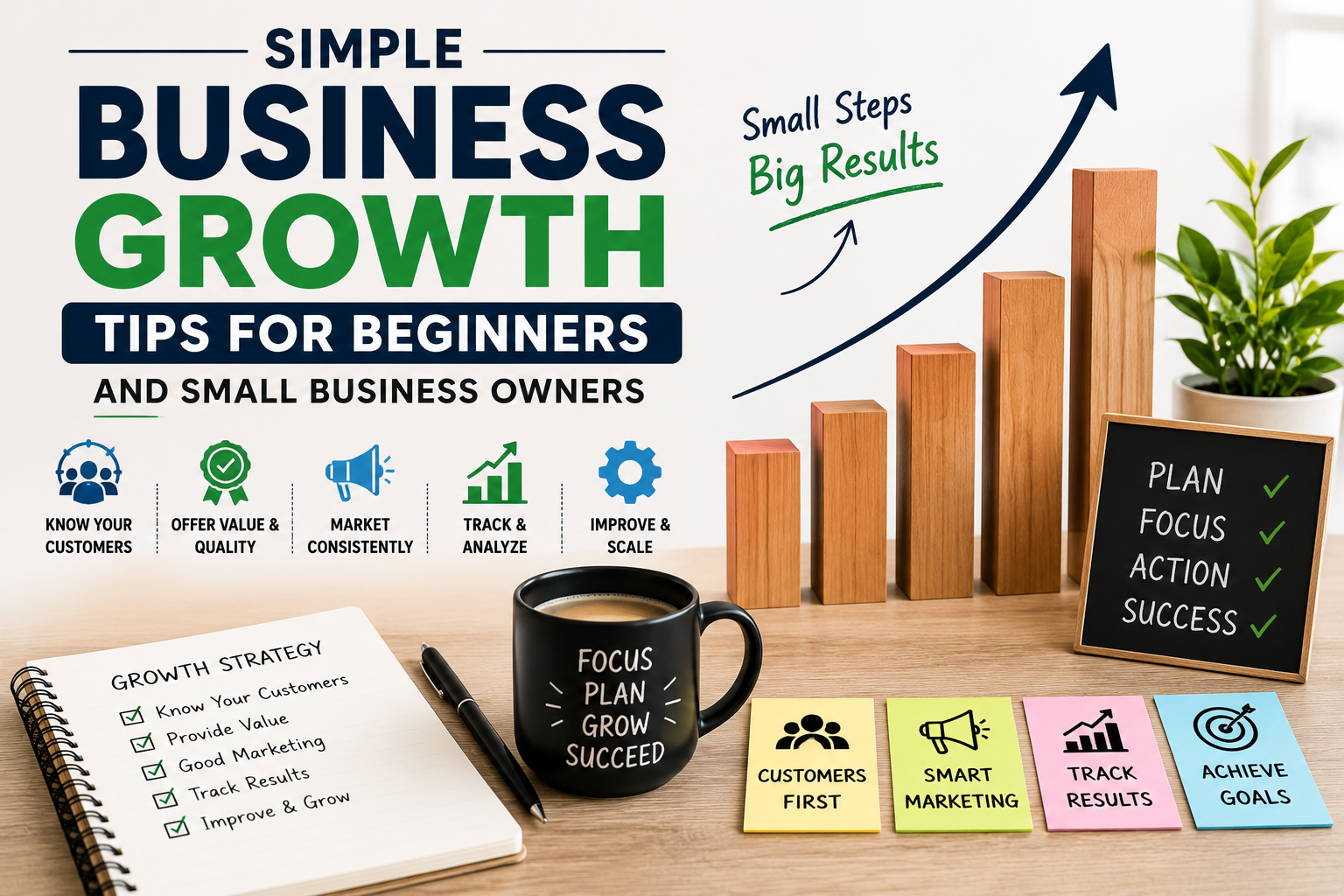
The best business growth tips for beginners are simple but powerful. Know your customers, create a clear offer, provide great service, track your numbers, build trust, and keep improving DailyViewMag business guides.
Business growth is a long-term journey. Start with small steps, stay focused, and improve your system with time. A business that grows slowly with strong foundations can become more stable and successful in the future.
FAQs
What is the best way to grow a small business?
The best way to grow a small business is to understand your customers, create a clear offer, improve service quality, market consistently, and track your business results.
How can beginners attract more customers?
Beginners can attract more customers by building an online presence, creating helpful content, using social media, asking for referrals, improving their website, and offering clear value.
Do I need a big budget to grow a business?
No, many growth steps can be done with a small budget. Good customer service, content marketing, referrals, basic SEO, and social media can help beginners grow without spending too much.
Why is customer feedback important for business growth?
Customer feedback helps you understand what people like, what needs improvement, and what new services or products they may want. It helps you make better business decisions.
How long does business growth take?
Business growth depends on the industry, effort, quality, marketing, and customer demand. Some businesses grow quickly, while others take months or years to build strong results.
What tools help with business growth?
Task management tools, accounting tools, CRM tools, email marketing tools, analytics tools, design tools, and communication tools can help small businesses stay organized and grow.